phase 1 environmental

Copyright 2007-2008 All Appropriate Inquiries Environmental Corporation. All rights reserved.


phase 1 environmental

phase 1 environmental california phase 1 environmental new york phase 1 environmental los angeles phase 1 environmental chicago phase one environmental report california

phase 1 environmental


Phase 1 Environmental Site Assessment Requirements:

Our Phase 1 Environmental Site Assessment report adheres to American Society for Testing & Materials (ASTM) E-1527-05 standard. This report complies with the All Appropriate Inquiries (AAI) Rule that was promulgated by the United States Environmental Protection Agency on November 1, 2005, with enforcement starting on November 1, 2006 (40 Code of Federal Regulations Part 312). Our Phase 1 reports include:

  • historical building permits review
  • historical aerial photograph review
  • historical Sanborn Fire Insurance Map review
  • historical city directory review
  • historical topo map review
  • local environmental oversight agency interviews
  • analysis of local hydrogeologic conditions
  • government environmental database review
  • inspection of subject property and surrounding areas
  • interviews with owners, occupants and neighboring tenants
  • a detailed professional site plan
  • digital photographs with descriptions
  • inclusion of the Statement of Qualifications of assessors
  • conclusions regarding potential environmental liabilities using our extensive risk-based analysis experience
  • recommendations.


  • Additional Scope of Work Required by the New AAI Law (2005):

    • Codified into federal law (40 CFR Part 312) on November 1, 2005. Enforced on November 1, 2006.

    • New ASTM Standard for the rule is: ASTM E-1527-05.

    • Defines the term Environmental Professional (EP) and establishes qualifications for those performing Phase 1 ESAs (hold a current Professional Engineer or Professional Geologist license or registration from a state, tribe, or U.S. territory (or the Commonwealth of Puerto Rico) and have the equivalent of three years of full-time relevant experience OR 4 year Baccalaureate degree in any engineering or science field with five years of full-time relevant experience OR ten years of full-time relevant experience).

    • In addition to interviewing current owners and occupants of the subject property, an interview with past owners and occupants must be conducted as necessary [Section 312.20(e)-(f)].

    • Interview with neighboring or nearby property owners or occupants must be conducted if the subject property is abandoned.

    • Previous use of the property needs to be described from the present back to when the property first contained structures or was developed for residential, commercial, agricultural, industrial or governmental purposes.

    • More information requested from the User of the report (person for whom the report is being prepared).

    • AAI rule requires identification of records of Activity and Use Limitations (AULs) and Environmental Cleanup Liens.

    • In addition to the review of federal and state records, the ESA must include a review of (all) local and tribal records within the required search distance of the Property.

    • Visual inspection of the subject property AND adjoining properties is required (limited exemption with specific requirements if the subject property cannot be inspected).

    • AAI rule looks at the relationship of the purchase price compared with the fair market value of the property which may indicate contamination at the property.

    • Data gaps must be identified with the significance of the data gap with regard to the ability of the EP to identify conditions indicative of releases and threatened releases.

    • New Rule and standard will raise the cost of a Phase 1 ESA.

    • Shelf life of Phase 1 Environmental report is specified as one year with some updates required after 180 days.


    • A copy of the published AAI rule that was released by the EPA can be downloaded by clicking the following link:

      Download the All Appropriate Inquiries Rule

      Since the Phase 1 Environmental ASTM Standard is copyrighted, we cannot post a copy here. However, you can read a summary by clicking the following link and you can purchase a copy at the American Society of Testing & Materials, as well.

      American Society for Testing & Materials Standard E-1527-05 Standard Practice for Environmental Site Assessments: Phase 1 Environmental Site Assessment Process

More Phase 1 Environmental Site Assessment information

More Phase 2 Environmental Site Assessment information


phase 1 environmental tennessee

Phase 1 and 2 Environmental Site Assessment Questions

I. Who can conduct Phase 1 Environmental Site Assessment reports under the new EPA law?

According to the new All Appropriate Inquiries or AAI Rule (40 Code of Federal Regulations, Part 312), only individuals with the appropriate college degree and the required work experience in environmental assessments can conduct Phase One ESA reports. If the assessor does not meet the qualifications of an Environmental Professional, then the report will be invalid and will NOT qualify the owner for the Landowner Liability Protection (LLP). LLP is the main reason for conducting the Phase One report.

II. What is a Phase 1 Environmental Site Assessment?

This report adheres to ASTM Standard E-1527-05, which adheres to the All Appropriate Inquiries Rule that went into effect in November of 2006. It includes a site inspection; interviews with owners, occupants, environmental agencies and neighboring properties; review of environmental databases; analysis of local geologic conditions; and review of historical records for the subject property. The purpose of the report is to determine if there are any known or potential significant environmental liabilities at the property. These liabilities can occur as regulatory-mandated cleanup, toxic-tort liability (civil), regulated waste, human health exposure, land-use limitations, and potential civil liability for devaluing nearby properties. The report should adhere to the ASTM standard in order to provide for Landowner Liability Protection and FDIC-member banks require this report.

III. Can asbestos techs, mold techs and home inspectors conduct Phase 1 ESA reports under the new EPA law?

No. According to the new AAI legislation, these individuals cannot conduct Phase 1 Environmental Site Assessment reports. This and other problems are why the new law was written into code on November 1, 2006. These individuals who do not understand soil and groundwater contamination and liabilities should not be issuing opinions on these issues based on their qualifications in other fields. Because so many inaccurate reports were placed into the market by these unqualified people, numerous lawsuits and environmental problems have occurred causing financial disasters and the lowering of industry standards. If your report is not conducted by an Environmental Professional, you may not qualify for Landowner Liability Protection in the future.

IV. What is a Phase 2 Environmental Site Assessment report?

When a Phase 1 ESA report finds a "Recognized Environmental Condition," a Phase Two Environmental Site Assessment report is typically recommended, in order to screen the soil and/or groundwater for potential significant environmental liabilities, whether they may be regulatory-mandated cleanups or toxic tort liabilities. These reports usually consist of using a drill rig or hand auger to collect shallow soil samples to determine if previous storage and use of chemicals at a property has released regulated substances into the ground that may be affecting the value of the property.

V. How long does it take to complete a Phase One Environmental Site Assessment report?

Our turnaround time for completing a Phase One ESA report anywhere in the United States is two weeks. However, if our search for files at the local environmental agencies indicates a file for the subject property, it may take a little longer (usually an extra week) because of scheduling an appointment to view the file is dependent on government agency appointment availability.

VI. What is the difference between a Phase 1 Environmental Site Assessment and a Phase Two Environmental Assessment?

A Phase 1 Environmental report includes an inspection of the property, historical use research, analysis of local groundwater conditions and review of nearby known environmental liabilities that may be impacting the value of the property throughout land used limitation, potential cleanup costs or civil or tort liability, due to offsite migration of contamination. A Phase 2 Environmental report consists of collecting soil and/or groundwater samples to determine if significant amounts and concentrations of contaminants exist at the property.

VII. Why do I need a Phase 1 Environmental Assessment?

The main reason for ordering the Phase I report is to protect yourself from some unknown liability that may be associated with soil or groundwater contamination. This is why lenders require this environmental assessment report. They want to know the "true value" of the property before underwriting the loan. They also want to make sure there is not a liability that could occur from offsite migration of contamination.


Go to Services

phase 1 environmental nashville


For your convenience, we have also produced a short video on Environmental Assessments
as they relate to Real Estate Transactions.

Download Free Video on Phase 1 Environmental Site Assessments


Comprehensive Guide to Environmental Assessments:

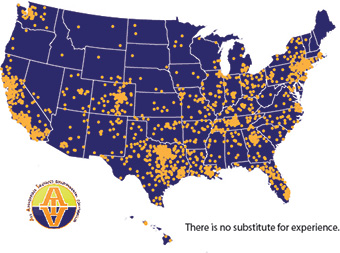
We have constructed our website so that it is a comprehensive guide for Phase 1 and 2 Environmental Site Assessments. We receive so many inquiries and questions about these reports, that we want to educate our clients and the public on what is involved in the environmental assessment process. Whether your property is in a large metropolitan area such as: Los Angeles, San Francisco, New York, Chicago, Houston, Dallas, Austin, San Antonio, Atlanta, Denver, Nashville, Cleveland, New Orleans, Cincinnati, Columbus, Seattle, Miami, Kansas City, Knoxville, Washington, Baltimore, Philadelphia, Pittsburgh, Phoenix, Tucson, Las Vegas, Little Rock, Trenton, Boston, Tampa, Jacksonville, Charlotte, Raleigh, Boise, Portland, Honolulu, Jackson, Birmingham, or San Diego, or if it is a property in a rural agricultural area, we will provide you with the environmental report that you need to complete your real estate transaction. Our staff has completed thousands of reports in every state in the union, including: California, New York, Texas, Illinois, Florida, Tennessee, Georgia, New Jersey, Washington, Ohio, Pennsylvania, Maryland, North Carolina, Louisiana, Colorado, Michigan and every other state with the exception of North and South Dakota.